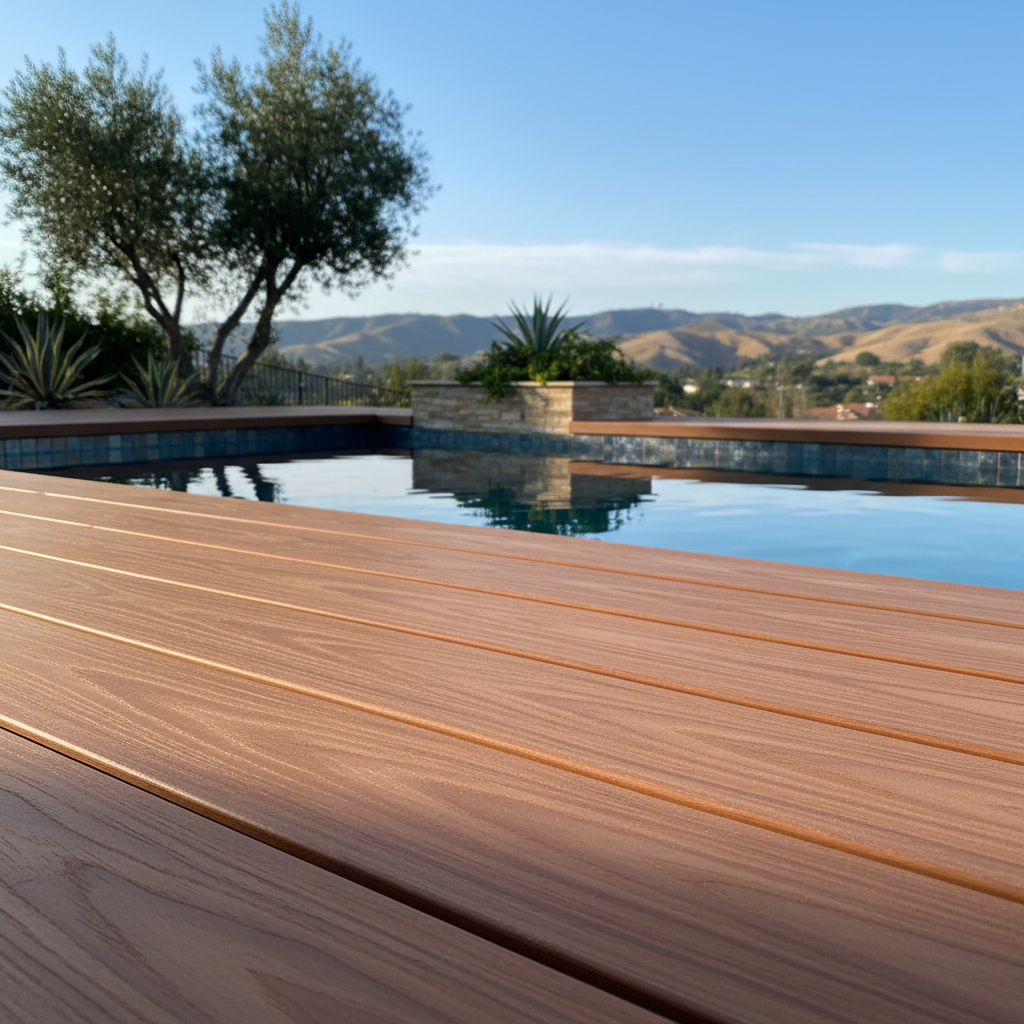
Thinking about a new pool deck or maybe just fixing up an old one? Good. It's a pretty big investment, after all, and you definitely want to get it right. I've been building and repairing decks all over Pasadena for years now, and I keep hearing the same questions pop up. So, let's just cut to the chase. Here are the real answers to what you're probably wondering about your pool deck.
What's the best material for a pool deck that won't burn your feet under the Pasadena sun?
This is probably the number one question I get, especially since our summers often hit triple digits. Nobody wants to scorch their feet just walking from the pool to the lounge chair, right? First off, lighter colors generally reflect more heat, so that's your starting point, no matter what material you pick. When it comes to materials, composite decking has really come a long way. Lots of the newer composite boards are actually made with technology that helps them dissipate heat, and they often stay cooler than traditional wood or even some concrete options. They just don't soak up heat the way a dark stained wood or a dense paver might. Natural stone, like travertine, is another fantastic choice for keeping cool; it's porous and doesn't hold heat like concrete does. Wood, especially lighter kinds like cedar or redwood, can work, but they'll still get warm. Darker stains on *any* material? They're going to be hot, plain and simple. If you're really concerned, look for products specifically called 'cool touch' or 'low heat retention.' Honestly, though, a good shade structure helps more than anything.
How important is drainage around a pool deck? Seriously.
It's not just important; it's absolutely crucial. If you don't get the drainage right, you're just asking for trouble down the road. We're talking standing water, which can lead to slippery surfaces, mildew, algae growth, and eventually, damage to your deck material and even your home's foundation. Here in the San Gabriel foothills, where we get those heavy winter rains, proper drainage isn't just an option — it's a must. You need to make sure the deck slopes away from your house and the pool, guiding water to the right drainage systems, like channel drains or French drains. We always consider the grade and how water will naturally flow. Don't cheap out on this part of the design. It's a small cost upfront that saves you huge headaches and repair bills later on.
What kind of maintenance should I expect with a pool deck?
That really depends on the material you pick. If you go with natural wood, you're signing up for cleaning, sealing, or staining every year or two. That's just how it is with wood exposed to sun, chlorine, and water. It'll fade, crack, and splinter if you don't keep up with it. Composite decks are much lower maintenance. You'll still need to clean them regularly to stop mold and mildew from pool splashes and general grime, but you won't be staining or sealing. Just a good scrub with soap and water, maybe a pressure wash on a low setting. Travertine or other natural stone will need occasional sealing to protect against stains and efflorescence, plus regular sweeping and rinsing. Concrete, whether stamped or plain, also needs occasional cleaning and resealing. The trick is consistent, light maintenance instead of letting things go and then trying to do a massive overhaul.
Are there specific safety features I should think about for a pool deck?
Absolutely. Safety around a pool is super important, especially if you have kids or pets. The biggest one is slip resistance. You want a surface that gives good traction when wet. Many materials come with textured finishes just for this reason. For wood, that might mean a grooved profile. For composites, it's often a brushed or embossed finish. For concrete, a broom finish or an aggregate exposure can help. Beyond the surface, consider railings or fencing if there's any drop-off or if local codes require it. Good lighting is also key for evening use, helping prevent trips and falls. And if you're building a new deck, make sure any steps or transitions are clearly marked and well-lit. We always make sure everything we build meets or exceeds local safety codes right here in Pasadena.
How long does a typical pool deck installation take?
That's kind of like asking how long a piece of string is, but I can give you a general idea. It depends on the size of the deck, how complex the design is, the material you choose, and what kind of prep work is needed. If you're talking about a straightforward composite deck replacing an existing one, it might be a week or two. If we're starting from scratch, doing extensive excavation, pouring new footings, and then building a large, multi-level deck with integrated features like planters or benches, it could easily take three to six weeks, maybe even longer. Weather plays a role too; those unexpected winter rains can definitely push things back. We'll give you a much clearer timeline once we've seen your property and talked through the full scope of work. Just remember that quality work takes time, and rushing it usually just leads to problems.
What kind of warranty should I expect on a new pool deck?
You should expect two main types of warranties: the material warranty and the labor warranty. Most reputable manufacturers of composite decking, natural stone, or high-quality wood will offer a product warranty, often anywhere from 10 years up to a limited lifetime warranty for composites. This covers defects in the material itself. Then there's the labor warranty from your contractor. Here at Pasadena Deck & Porch, we stand behind our work. Our labor warranty covers the installation itself, making sure that if anything goes wrong because of our craftsmanship, we'll fix it. Always ask your contractor about both types of warranties before you sign anything. Make sure you understand what's covered, for how long, and what voids the warranty. It just gives you that extra bit of protection if something unexpected happens.
Building a pool deck is a big project, but it's one that adds so much enjoyment and value to your home. Don't hesitate to ask more questions. That's what I'm here for.